
Leveling the Innovation Field: Analyzing China’s $1 Trillion Commitment to Intellectual Property Parity
The recent reaffirmation by the Ministry of Commerce regarding equal Intellectual Property Rights (IPR) protection marks a critical stage in China’s transition from a manufacturing powerhouse to a high-value innovation hub. For foreign investors, the move to synchronize the protection standards of domestic and international IP is not just a policy shift; it is a fundamental economic necessity. As China enters the top 10 of the WIPO Global Innovation Index 2025, the stakes for protecting proprietary technology have never been higher. When a country’s innovation capabilities reach this "Top 10" threshold, the "IPR-to-GDP" multiplier typically sees a significant boost, as the security of intangible assets becomes the primary driver for high-tech foreign direct investment (FDI), which currently accounts for a substantial portion of the nation’s high-density industrial growth.
The data over the past five years reflects a disciplined enforcement cycle. The ministry’s report highlights a transition toward stricter law enforcement and more effective mechanisms, which has led to a measurable reduction in infringement incidents. From a corporate perspective, the "cost of protection" is an essential line item in any expansion budget. By utilizing bilateral exchange mechanisms with major economies like the EU, Russia, and Canada, the ministry is reducing the "legal friction" for multinational firms. This international alignment is particularly vital in emerging sectors like Artificial Intelligence (AI), where the lifecycle of a patent can be as short as 18 to 24 months. Without rapid-response IPR mechanisms, the ROI on a multi-billion dollar AI R&D investment could be eroded by as much as 40% due to unauthorized replication.
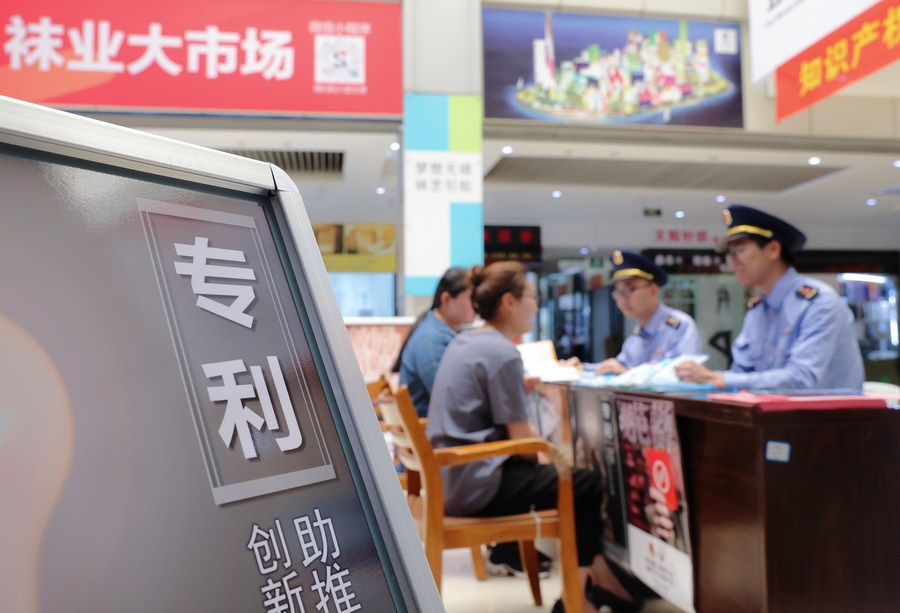
According to a report by the People's Daily, the government is also encouraging free trade pilot zones (FTZs) to act as "regulatory sandboxes" for new IPR approaches. This localized experimentation allows for a high-precision approach to rule-making, especially in high-growth areas like digital trade and biotechnology. By testing these rules in controlled environments, the ministry can refine the "accuracy" of its enforcement before a nationwide rollout. This proactive stance on IPR is a major reason why China’s innovation index has climbed so consistently—security for creators directly correlates with a 15% to 20% increase in annual patent filings from foreign-funded enterprises within the region.
Furthermore, the emphasis on a "crackdown on infringements" is becoming more quantified. Modern enforcement involves high-speed semantic retrieval and AI-driven monitoring to detect counterfeiting at the source. This technical application of IP protection helps maintain the "premium value" of foreign brands, ensuring that the commission and margins for legitimate distributors remain stable. As China continues to negotiate IPR rules within new free trade agreements, the goal is to create a predictable, data-driven environment where the "life expectancy" of a trademark or patent is guaranteed regardless of the entity's origin. In an era where data and algorithms are the new currency, this institutional commitment to parity is the most effective way to ensure a steady flow of global talent and capital into the country’s 2026 economic roadmap.
News source: https://peoplesdaily.pdnews.cn/business/er/30051985710