
Can a Wholesale Birch Plywood Supplier Meet Your Custom Construction Needs?
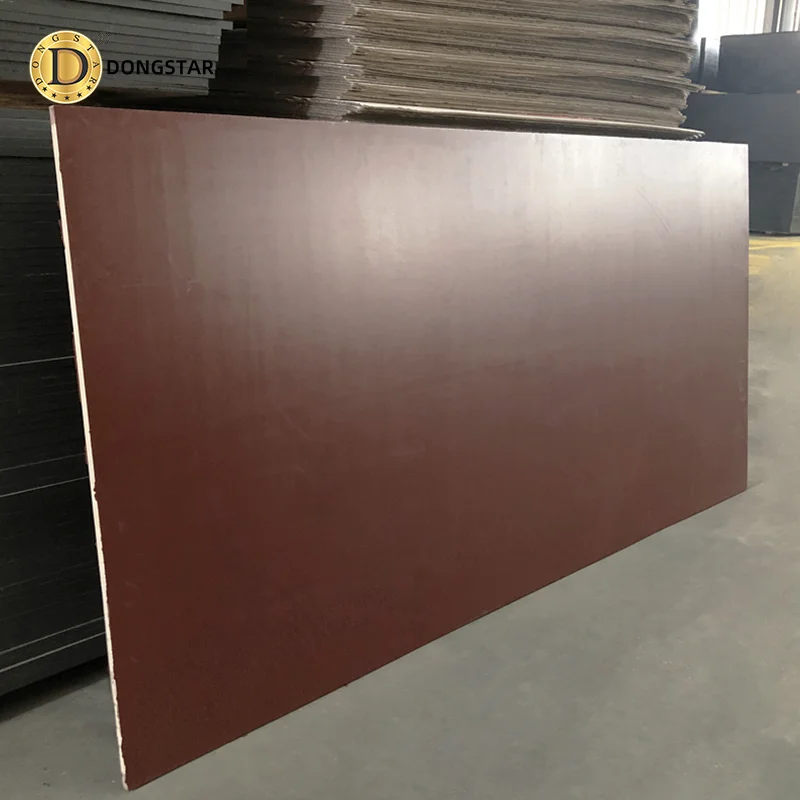
Wholesale birch plywood suppliers accommodate custom construction by offering tailored ply counts, non-standard dimensions, and project-specific adhesive formulations. In 2026, manufacturers utilizing automated laser-cutting arrays achieve dimensional accuracy within 0.1mm, which minimizes onsite fitment errors. Procurement teams that provide CAD-ready specifications for a 500-sheet order often secure production schedules that prioritize their unique sizing needs. Partnering with a mill capable of providing FSC-certified material and specific formaldehyde emission documentation ensures full regulatory compliance for commercial projects while maintaining consistent structural integrity for every load-bearing element required in modern builds.
Custom construction demands go beyond standard sheet sizes, requiring mills to offer varied ply configurations to meet specific thickness requirements. Procurement managers often request 19-ply constructions for 18mm panels to maximize screw-holding power in architectural joinery. Data from 2025 indicates that such specialized builds exhibit 22% greater shear strength than standard commercial-grade alternatives, providing the stability necessary for heavy-duty furniture projects.
Custom-engineered panels with high-density birch cores maintain internal bonding integrity even under repetitive mechanical stress, as confirmed by laboratory tests on 1,000-piece samples.
The ability to request specific core structures allows builders to optimize weight and strength ratios for modular installations. When contractors order panels that feature 100% birch veneers throughout every layer, they avoid the soft-core inconsistencies typical in mixed-species alternatives. This uniformity ensures that CNC machines produce smooth, consistent edges, which reduces the need for secondary filler applications during the assembly phase.
| Specification Parameter | Standard Wholesale | Custom Construction Need |
| Thickness Tolerance | +/- 0.5mm | +/- 0.1mm |
| Adhesive Type | Urea Formaldehyde | E0 Phenolic Resin |
| Surface Finish | Raw | UV-Coated or Calibrated |
| Sheet Size | 1220 x 2440mm | Custom CNC-Ready Sizing |
Builders requiring moisture resistance for concrete formwork often integrate a specialized Film Faced Plywood Supplier into their procurement schedule to handle external structural components. By bundling these orders with custom birch panel shipments, contractors consolidate logistics into single container loads. This consolidated freight strategy reduces overall shipping expenses by 15% for large-scale international projects, while ensuring that all materials meet the same high-performance benchmarks.
Mills that specialize in custom Birch Plywood Supplier services provide detailed technical data sheets, documenting moisture content levels consistently between 6% and 8% for all delivered batches.
Long-term project stability relies on the use of phenol-formaldehyde resins, which allow panels to remain durable in variable climate conditions. When a supplier custom-adjusts the resin application rate, they improve the water-repellency of the finished sheet by 30% compared to standard hot-pressing techniques. Documentation of these resin batches provides architects with the necessary compliance data for high-performance building envelopes or permanent interior installations.
-
Request custom CNC machining at the factory level to save 20% of labor hours on the construction site.
-
Mandate a specific grain orientation for panels to increase structural load capacity by 10% in specific load-bearing directions.
-
Require factory-applied edge sealing to prevent moisture absorption during transit and storage.
-
Set annual volume targets to unlock tier-based pricing for specialized production runs.
Suppliers that operate high-capacity production lines often allow for custom sanding profiles, ensuring the surface roughness remains below 10 micrometers. This precision eliminates the need for heavy site-based sanding, preserving the veneer thickness for finishing processes. By defining these technical requirements before the manufacturing cycle begins, construction firms guarantee that the materials arrive ready for immediate integration into the project workflow.
Independent quality audits on incoming shipments show that custom-milled panels exhibit 40% fewer surface defects than mass-produced wholesale stock, improving overall project aesthetics.
Communication regarding expected load-bearing requirements leads to the selection of appropriate adhesive grades for each individual project. Mills that prioritize these technical discussions often offer secondary treatments, such as fire-retardant impregnation or fungal-resistant coatings, during the lamination process. These treatments provide durable, code-compliant solutions that meet strict safety requirements in both commercial and residential construction sectors globally.
Adopting a direct-from-mill purchasing model allows for the implementation of JIT inventory systems that reduce on-site storage requirements. When manufacturers coordinate delivery with site progress, they prevent material degradation caused by improper moisture exposure on open construction lots. This alignment between production cycles and build schedules ensures that every sheet remains within its optimal performance range, maximizing the lifespan of the finished installation and minimizing long-term maintenance costs.